Marine Conservation
Coral Reef Restoration
Restoring structure and living coral within the Pom Pom house reef.
Why Restoration Is Needed
Blast Fishing
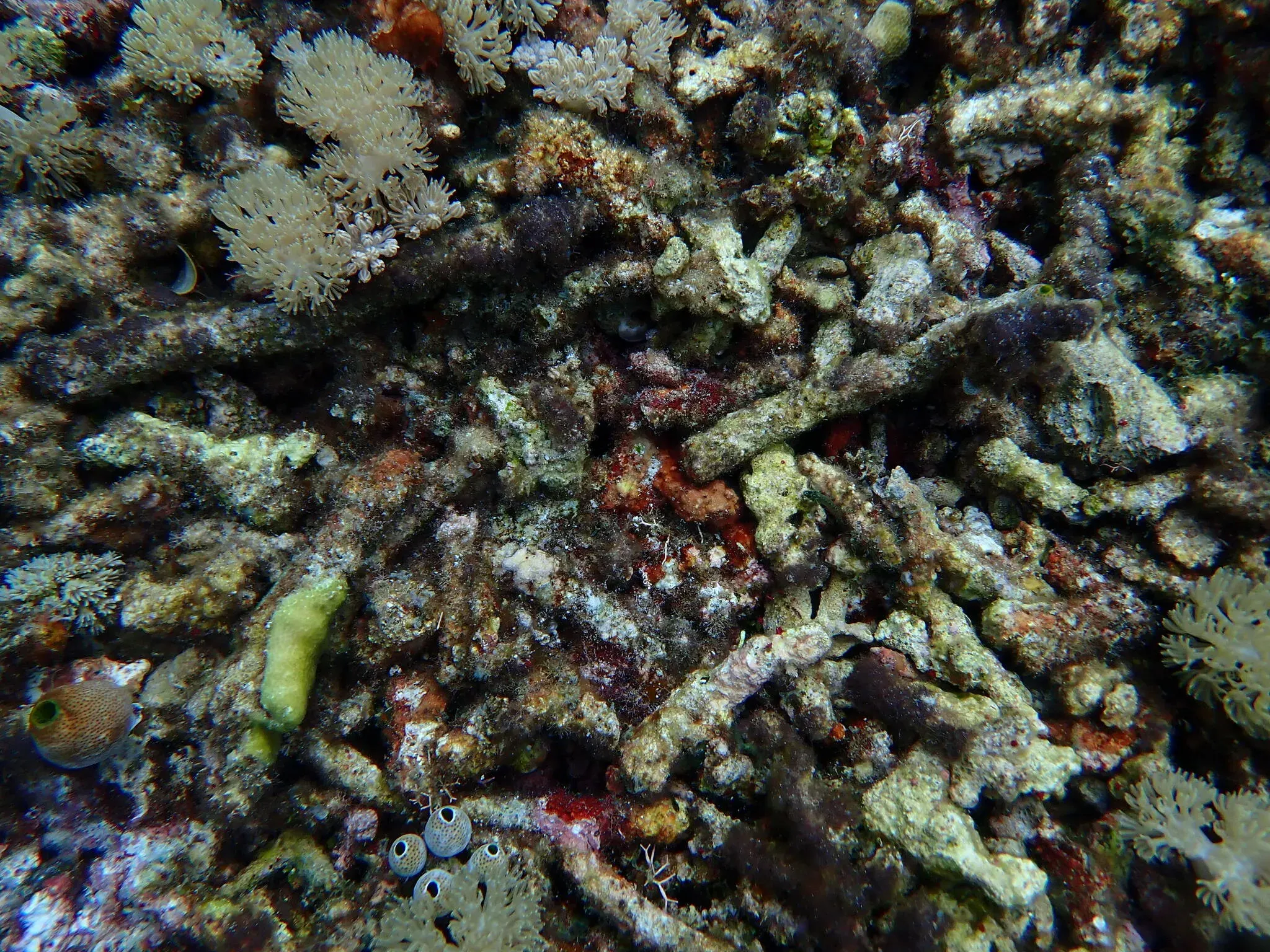
Our house reef has previously been damaged by blast fishing, a method that uses explosives to kill large numbers of reef fish for easy collection.
Although this practice is now illegal in Malaysia, it has caused significant harm, leaving extensive coral rubble fields that lack the structure and ecological function of a healthy reef.
Rebuilding the House Reef
Restoration
Since 2014, we have been actively restoring the reef in front of our resort near the arrival jetty.
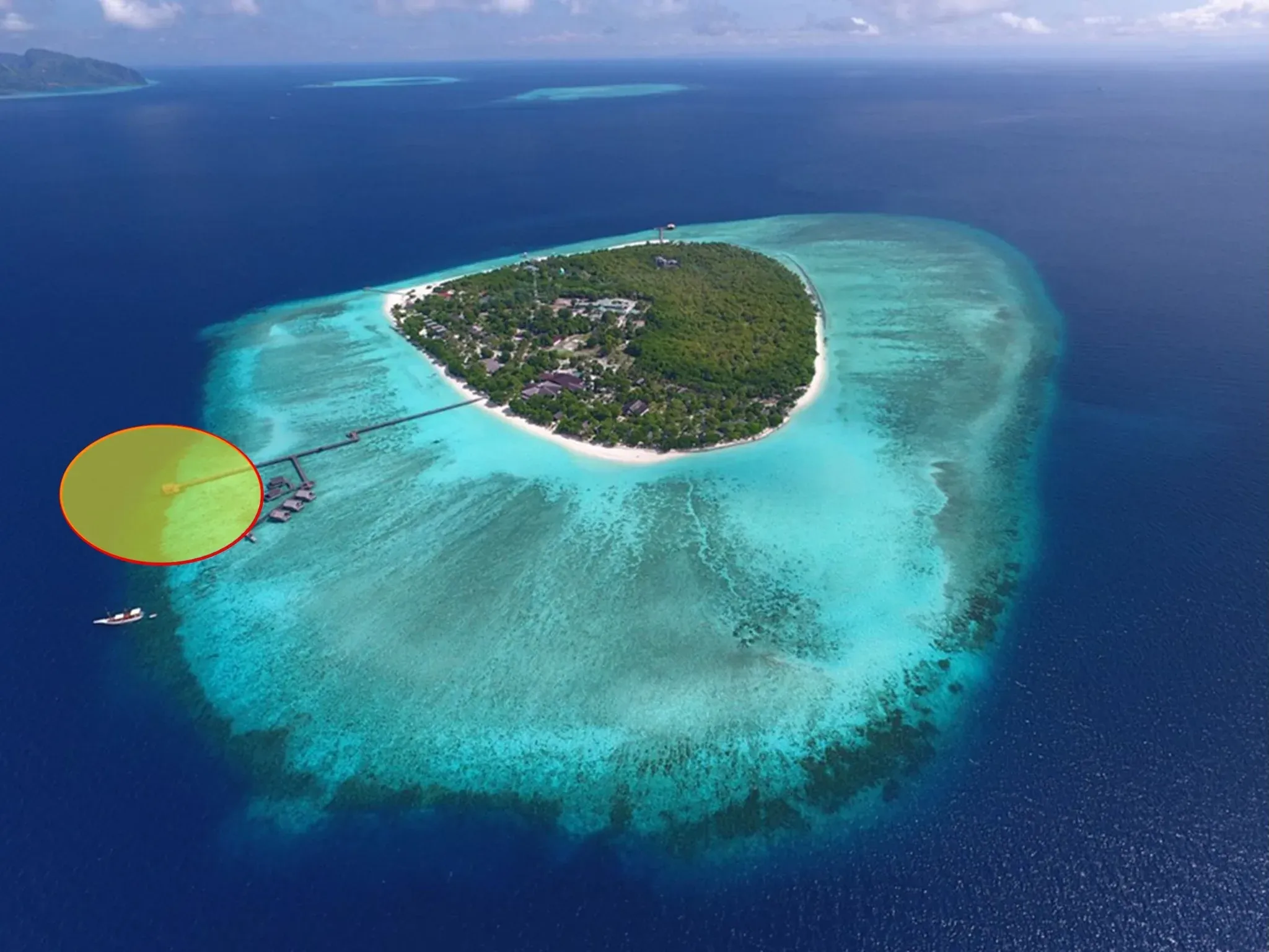
Over the past few years, we have installed more than 25 cemented-steel-bar structures in various shapes.
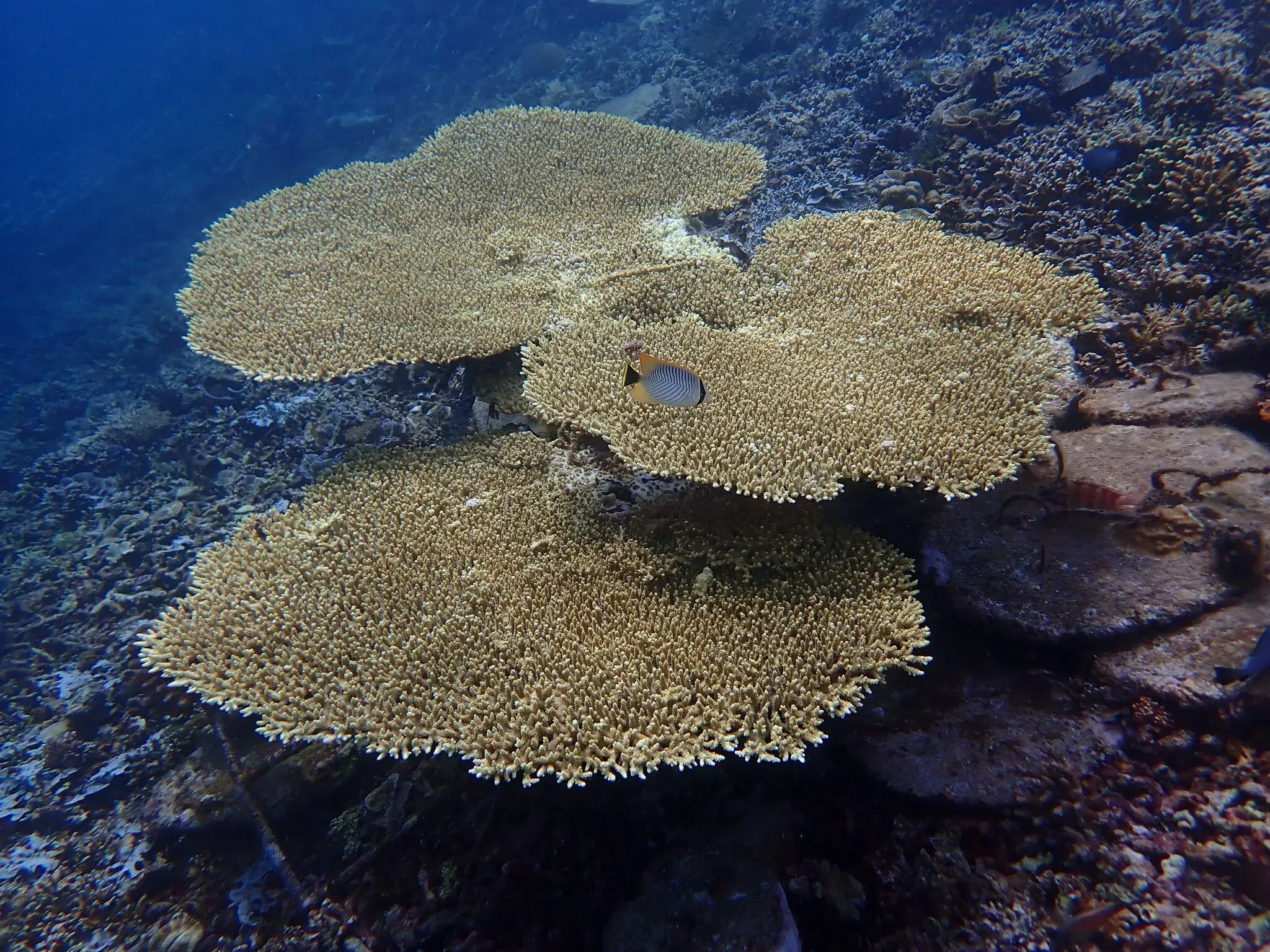
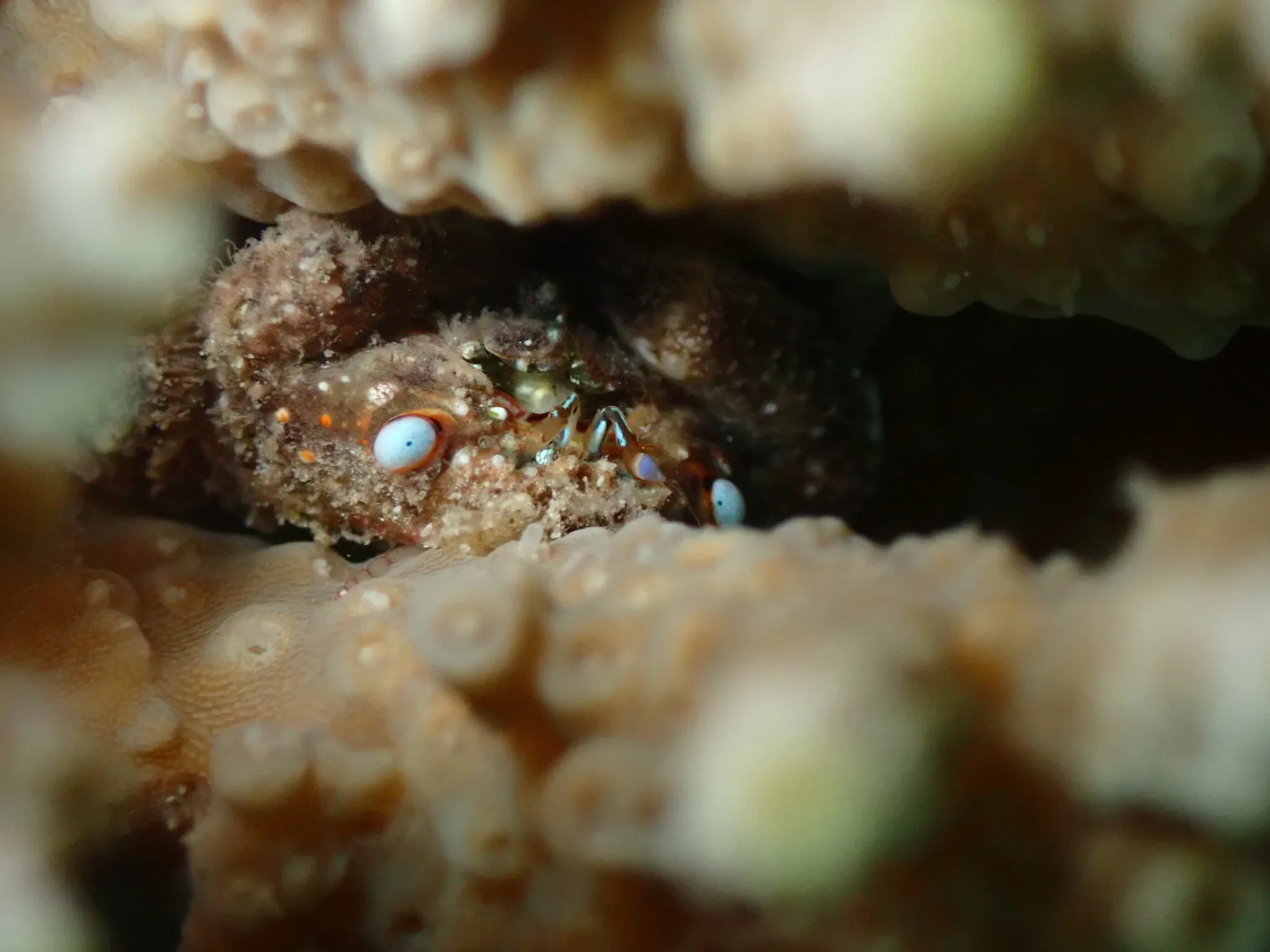
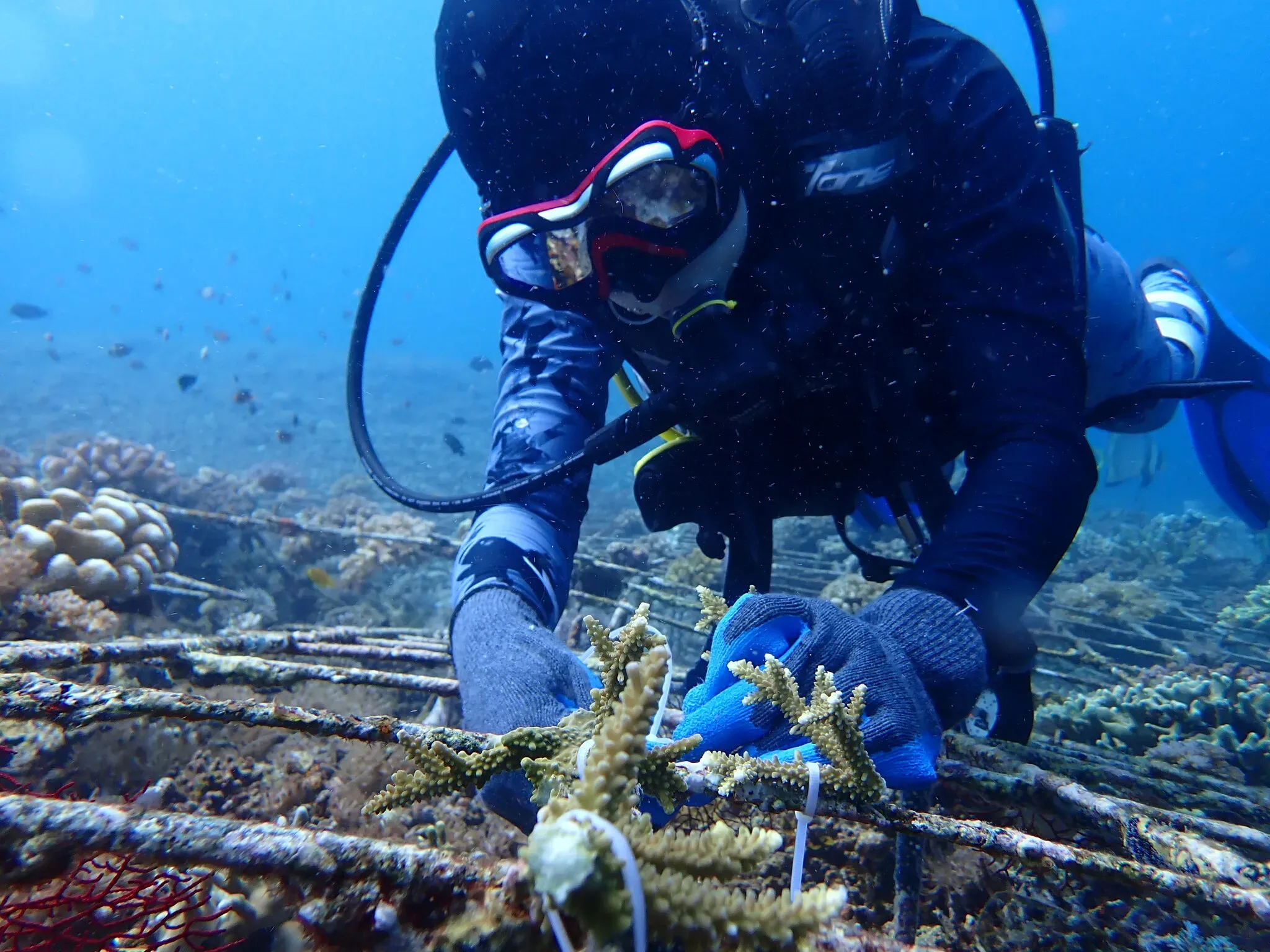
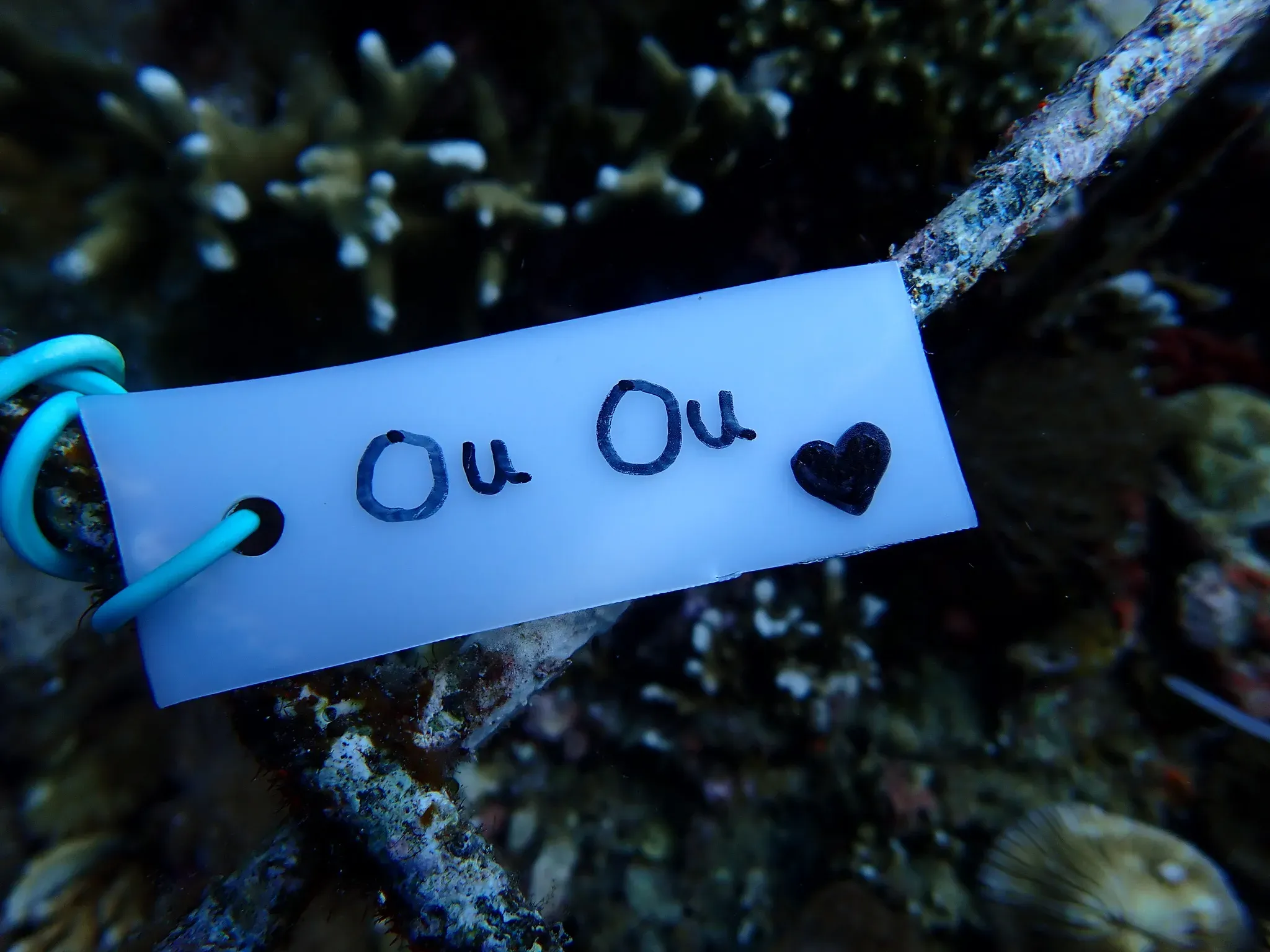
These structures provide a substrate for natural coral recruitment, support active coral replanting, and offer shelter for fish and invertebrates. Corals are attached to the frames with zip ties, which secure them and allow tissue growth around the structure through a process called calcification.
Introduced in 2026
Coral Cookies
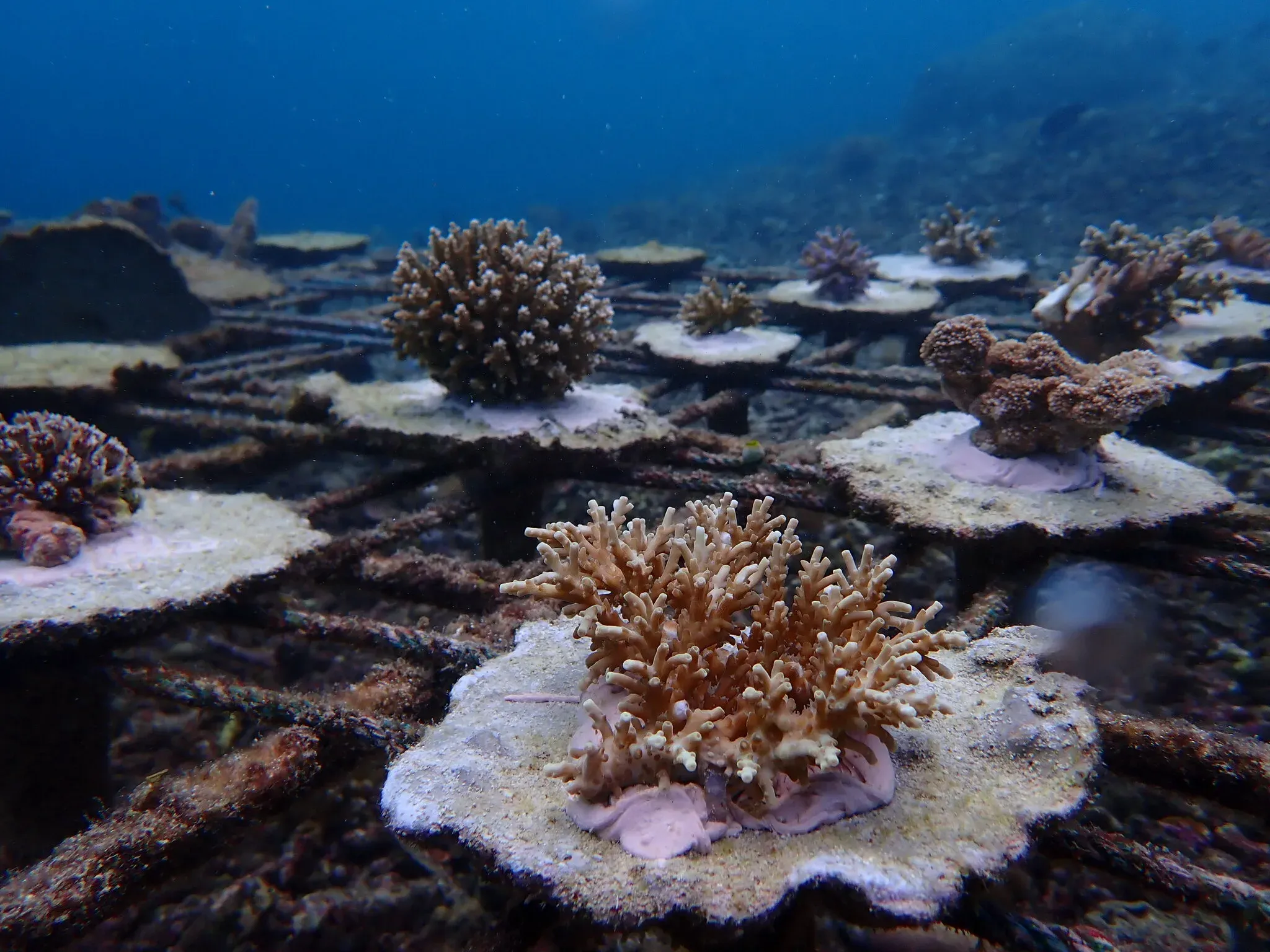
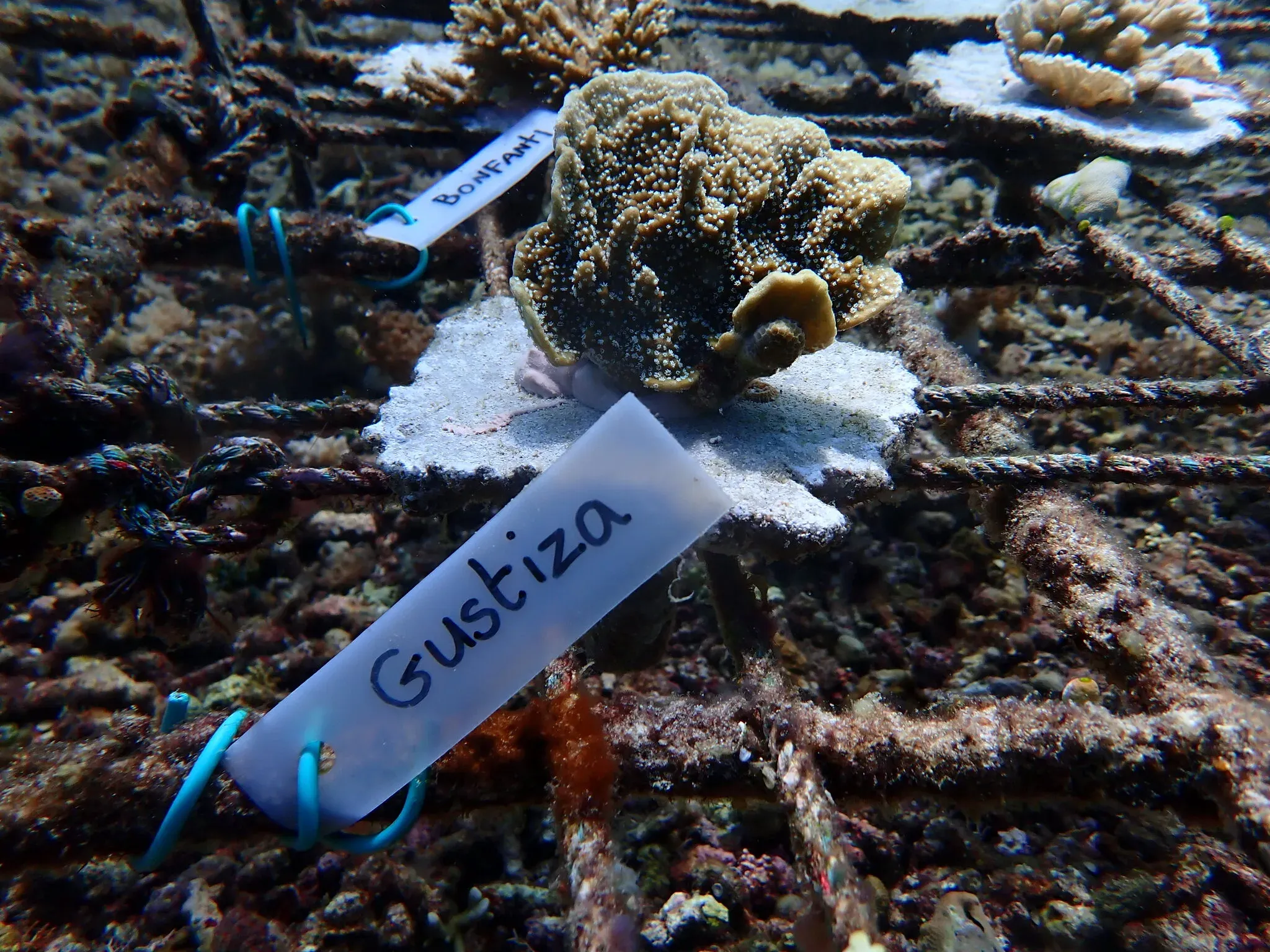
In 2026, we introduced another restoration method called the coral cookies table, which involves two phases. First, broken coral fragments are collected from the seafloor and attached to a cement cookie structure using epoxy glue.
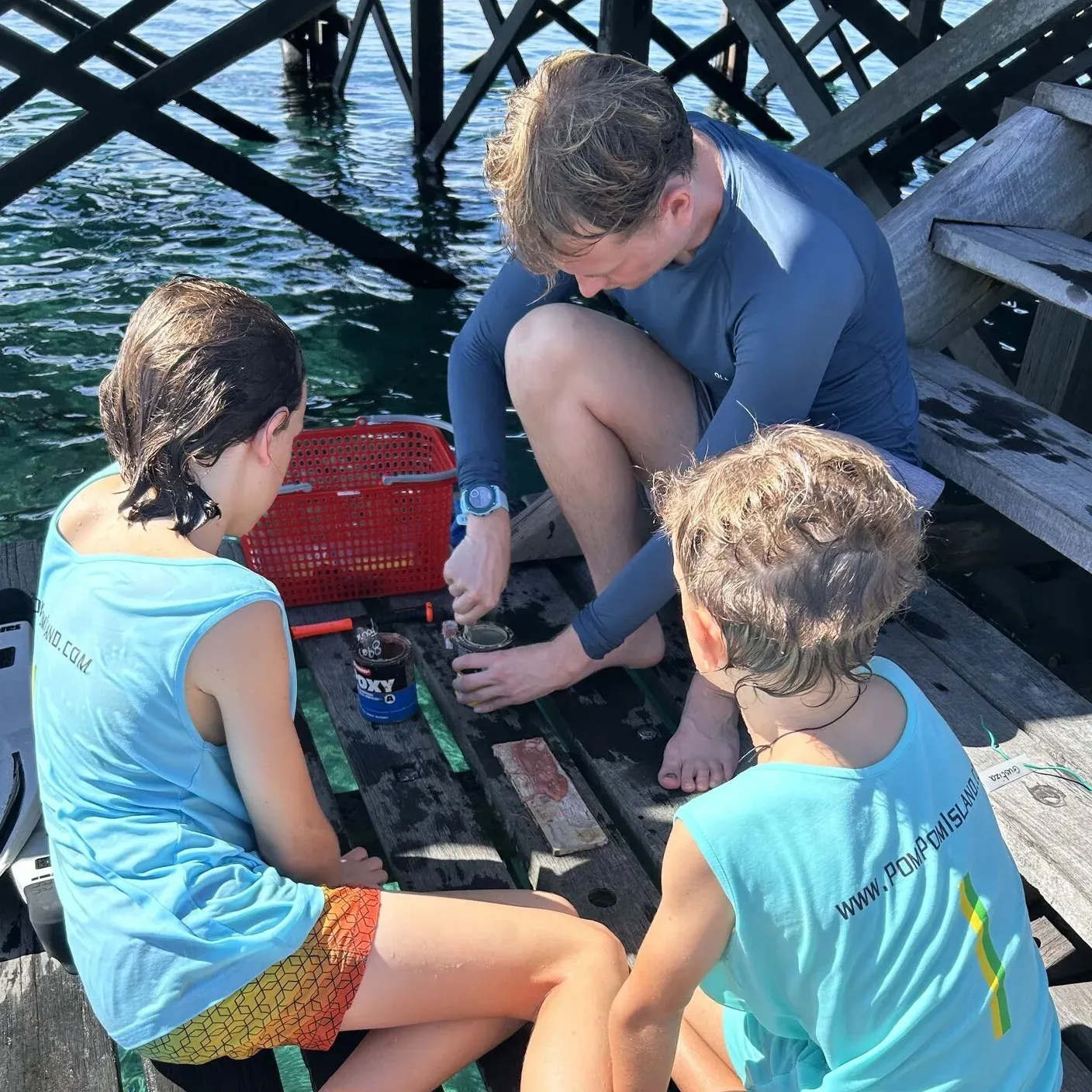
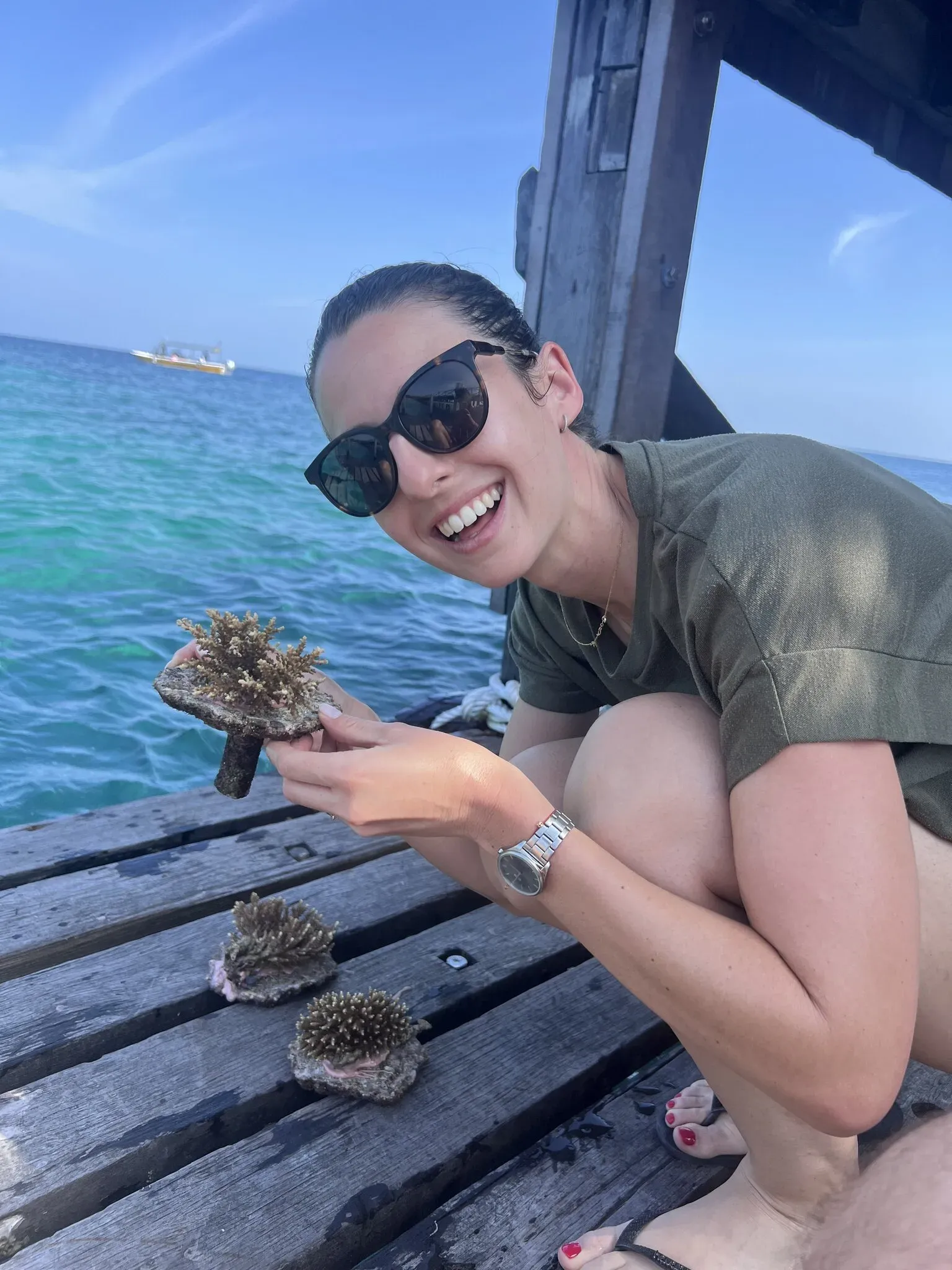
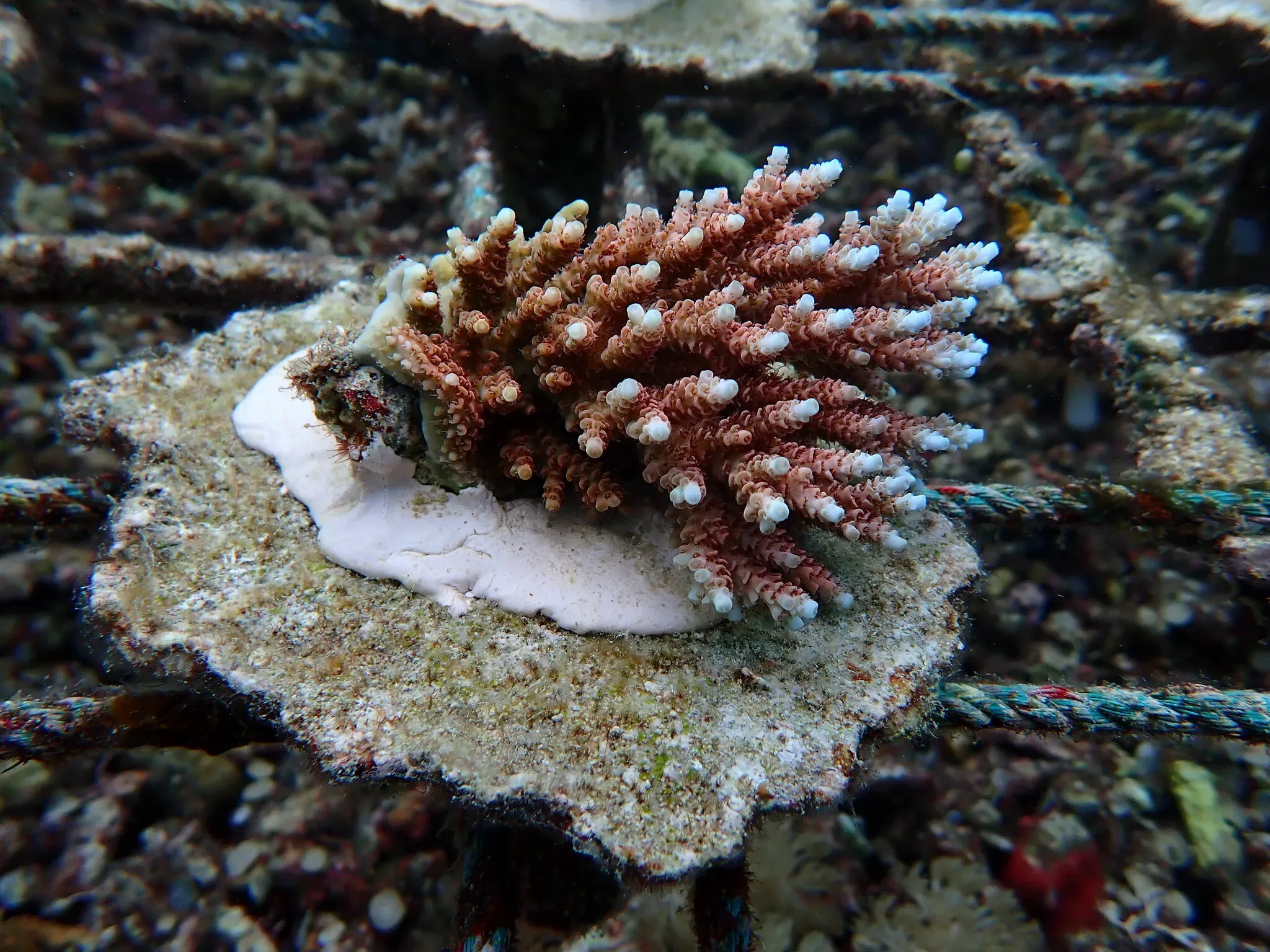
Once the corals are fully grown and reach maturity, the coral cookies are cemented back onto the rubble fields to stabilise them with living coral colonies, increasing coral and fish biodiversity on our house reef.
Take Part
Support
You can support our conservation efforts by planting your own corals or sponsoring a coral cookie.
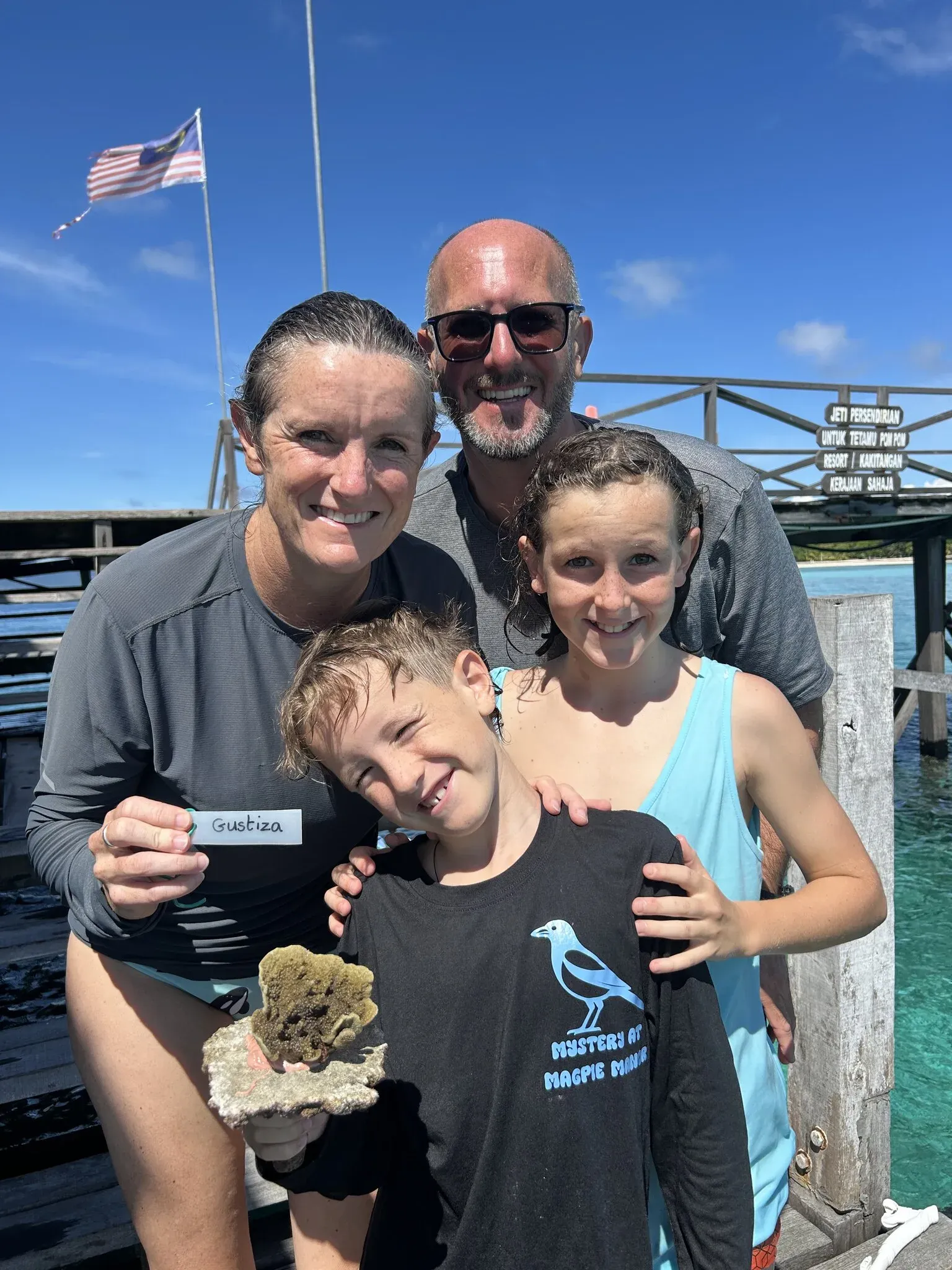
Coral Sponsorship
Support the Programme
Join our coral reef restoration project to make a positive impact not just on this reef but on the entire marine ecosystem worldwide.
View 2026 conservation activities (opens in a new tab)